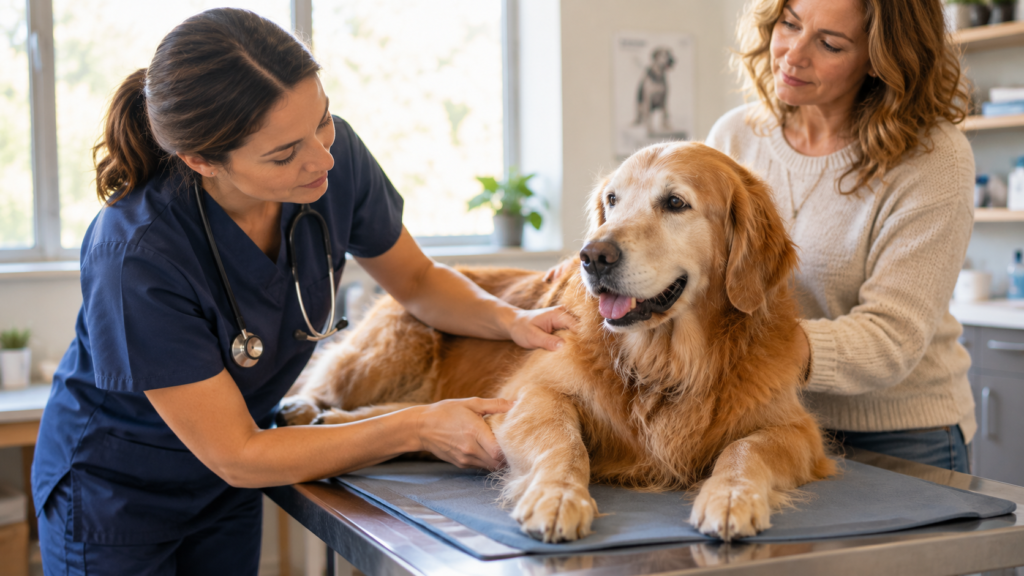
If your dog or cat is pregnant, or you’re planning a litter, it’s worth knowing this before you assume your pet insurance will help: pregnancy and breeding costs are excluded from almost every standard policy. This guide covers exactly what’s excluded, the narrow circumstances where coverage can still apply, and what it actually costs to go through a pregnancy without any insurance help at all.
The Exclusion You Need to Know
Nearly every mainstream pet insurance provider lists pregnancy, breeding, whelping or queening, nursing, and the treatment of offspring as standard exclusions. This isn’t a loophole specific to one company — it’s close to universal across the industry, and the logic is straightforward from the insurer’s side: pregnancy is generally considered an elective, planned event rather than an unexpected illness or accident, which is what standard policies are built to cover.
This means a scheduled C-section, routine prenatal monitoring, and the cost of raising a newborn litter are not something a standard accident-and-illness policy is designed to pay for, regardless of how comprehensive the plan otherwise looks.
Where a Narrow Exception Exists
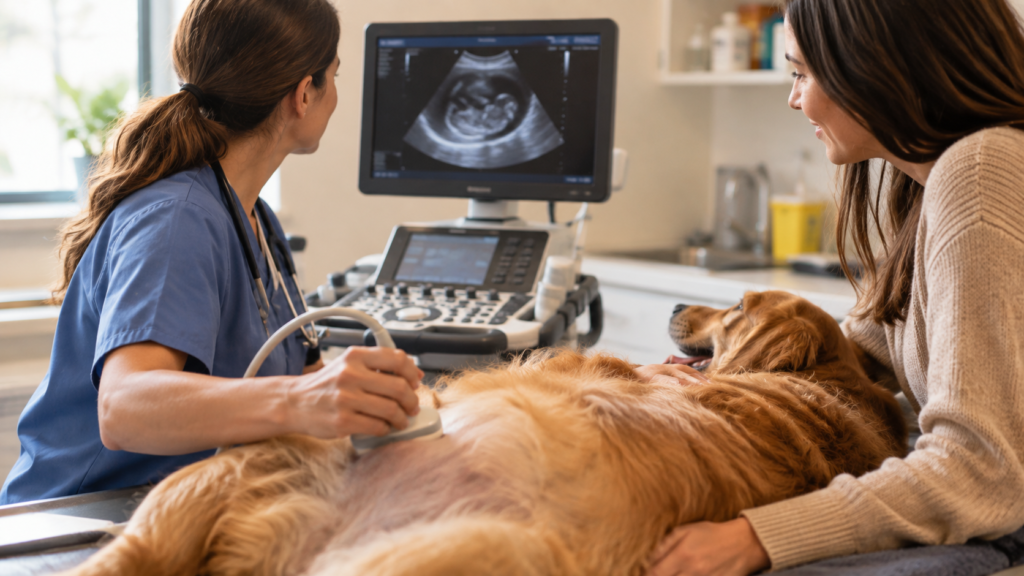
A small number of providers, including AKC Pet Insurance, Fetch, Figo, and MetLife, offer coverage specifically for unexpected pregnancy complications, like an emergency C-section, under certain conditions. The common thread across these providers is that the pregnancy has to begin after a specific waiting period from when the policy started, commonly around 14 to 15 days, and the complication has to be a genuine emergency rather than a scheduled, routine procedure.
A scheduled or elective C-section, planned in advance as part of a breeding program, is still excluded under these same policies, even when they offer emergency complication coverage. The distinction insurers draw is between an unplanned medical emergency during pregnancy and a routine part of the breeding process itself.
What Pregnancy and Delivery Actually Cost Without Coverage
Since most of this falls outside what a standard policy pays for, it’s worth knowing the real numbers so you can budget accordingly rather than assuming insurance will soften the blow.
- Routine prenatal monitoring (ultrasounds and X-rays over the pregnancy) — commonly cited in the range of $100 to $250.
- A C-section, whether scheduled or emergency — commonly cited in the range of $500 to $4,000, depending on the pet’s size, health, and the clinic performing it.
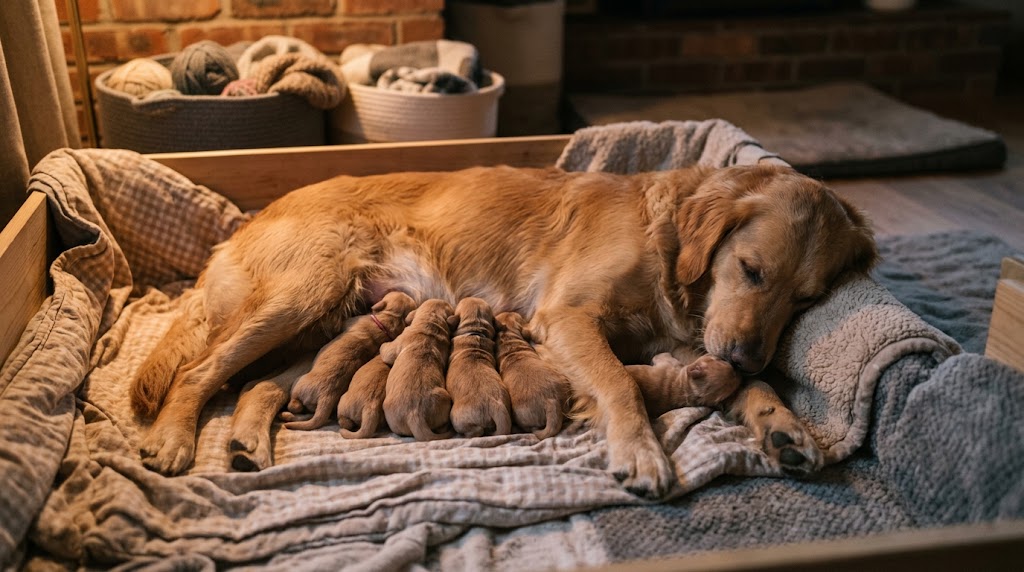
- Post-delivery care and monitoring for the mother and newborns in the first weeks — a recurring cost on top of the delivery itself, which varies significantly based on litter size and any complications.
A Real-World Example: An Emergency C-Section
Say a dog goes into prolonged, unproductive labor and needs an emergency C-section — not a scheduled one, but a genuine complication requiring immediate surgery.
| Item | Example cost |
|---|---|
| Emergency vet visit and diagnosis | $300 (example figure) |
| Emergency C-section surgery | $2,200 (example figure) |
| Post-surgical monitoring and medication | $250 (example figure) |
| Total cost without insurance | $2,750 |
| With emergency-complication coverage (80% reimbursement, $250 deductible, example figures) | ~$750 out of pocket |
| Without emergency-complication coverage (most standard plans) | $2,750 — not reimbursed |
Does Insurance Cover the Puppies or Kittens Themselves?
No, not automatically. A newborn litter isn’t covered under the mother’s policy — each puppy or kitten needs to be enrolled individually once born, the same as any new pet. There’s typically no waiting-period workaround here either; a new puppy enrolled right after birth still goes through the same standard waiting period as any other new policy.
Why Insurers Treat Pregnancy Differently From Illness
The reasoning behind the exclusion is less about pregnancy being inherently riskier and more about how insurance as a product is designed. Standard pet insurance exists to cover unpredictable events a reasonable owner couldn’t have planned for. Breeding, by contrast, is a decision the owner makes deliberately, with the timing largely under their control — a fundamentally different risk category from an accident or a spontaneous illness.
This is also why spaying and neutering sit on the opposite side of the same logic. Most providers don’t cover the procedure itself as a preventive measure, but once a pet is spayed or neutered, pregnancy-related exclusions simply become irrelevant going forward, since the risk they’re built around no longer exists.
Should You Insure a Breeding Dog or Cat at All?
Select your situation to see what’s most relevant to check before enrolling a breeding animal.
What to Ask a Provider Before Breeding
Does the policy ever cover pregnancy complications, even as an add-on, and what exactly triggers that coverage? Is there a required waiting period between enrollment and the start of a pregnancy for that coverage to apply? Does breeding a pet affect their existing accident and illness coverage for anything unrelated to the pregnancy itself? Getting clear, direct answers to these before a litter is planned avoids an unpleasant surprise during delivery.
Common Mistakes When Expecting a Litter
- Assuming a comprehensive plan automatically includes pregnancy. “Comprehensive” refers to accident and illness coverage breadth, not an automatic inclusion of breeding-related costs, which are excluded separately in most policies.
- Enrolling after the pregnancy has already begun and expecting coverage. Providers that offer complication coverage require the pregnancy to start after their specific waiting period, not before or during it.
- Not budgeting for a C-section as a real possibility. Given the cost range involved, assuming it won’t happen is a risky way to plan financially for a breeding event.
- Forgetting to enroll each puppy or kitten individually after birth. The litter doesn’t inherit the mother’s policy, and delaying just extends the window where an undiagnosed issue could complicate getting them covered later.
Frequently Asked Questions
Does pet insurance cover pregnancy costs?
Almost never under a standard policy. Pregnancy, breeding, whelping, and nursing are explicitly excluded by nearly every mainstream provider, regardless of how comprehensive the rest of the plan looks.
Will insurance pay for a C-section?
Only in narrow cases, typically limited to genuine emergency complications from providers that offer this specific coverage, and only if the pregnancy began after their required waiting period. Scheduled or routine C-sections are excluded even by those same providers.
Are newborn puppies or kittens automatically covered under the mother’s policy?
No. Each one needs to be enrolled individually once born, the same as any new pet would be, and subject to the same standard waiting period.
Is there any insurance specifically built for breeders?
A handful of providers offer add-ons or riders aimed at breeding animals, generally covering emergency complications rather than routine breeding costs. These tend to come at a higher premium than a standard policy.
This article is general information to help you understand how pet insurance applies to pregnancy and breeding. It is not veterinary or financial advice, and coverage for pregnancy-related complications varies significantly by provider. Always confirm current policy language directly with the insurer before assuming any specific coverage applies.
Sources: Bankrate — Does Pet Insurance Cover Pregnancy or Breeding · Fetch — Does Pet Insurance Cover C-Section Surgery