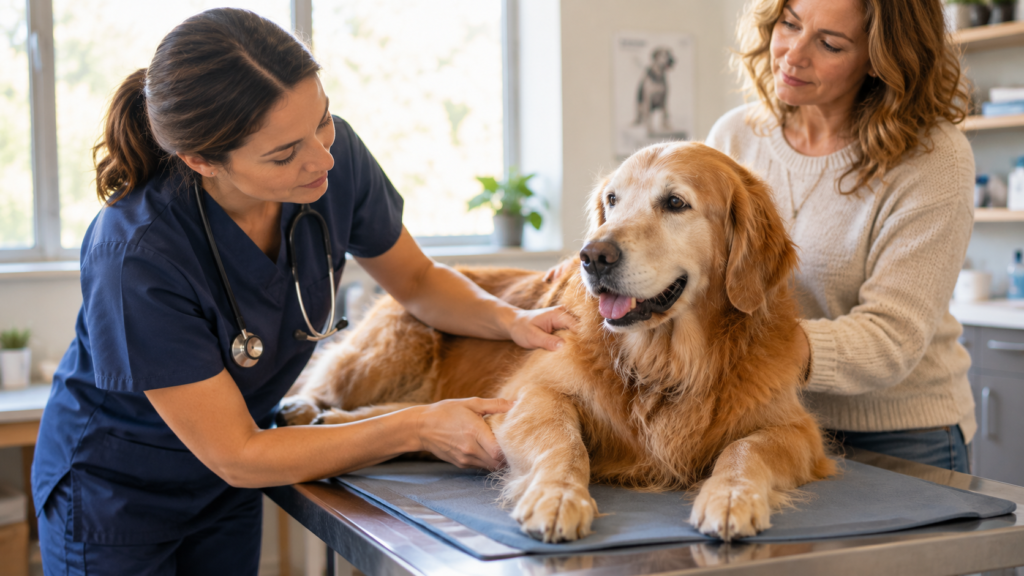
If you’re looking for pet insurance with no waiting period, the honest answer is that a true zero-day policy is uncommon, and the phrase is often used more loosely than it sounds. This guide explains what waiting periods are, which kinds of policies come closest to immediate cover, and the questions that show what a provider really means before you pay a first premium.
What a Waiting Period Actually Is
A waiting period is the stretch of time after your policy begins during which a claim for a new problem will not be paid. If your dog hurts a paw on day three and the policy has a longer accident wait than that, the bill is yours, even though you were technically insured.
Insurers use waiting periods to discourage people from buying cover only once something has already gone wrong. That is a fair reason, but it does mean the first days or weeks of a new policy are the least protected. If you are new to how the pieces fit together, start with our beginner’s guide on how pet insurance actually works.
Most policies set different waiting periods for different types of claim: accidents, illnesses, and often a longer one for orthopedic conditions, which are problems involving bones, joints and ligaments. The exact lengths vary by provider, by policy and by country, so any figure you read in a general article should be treated as a pattern, not a promise.
The wording also changes from one insurer to another. You may see “waiting period”, “exclusion period” or simply a “coverage start date”. A few terms are easy to mix up, so here is a quick reference.
| Term | What it means | Why it matters |
|---|---|---|
| Waiting period | Time after the policy starts before a claim for a new problem is eligible | Vet bills inside this window are yours to pay |
| Pre-existing condition | A problem that showed signs before cover began or during the wait | Usually excluded, no matter how short the waiting period is |
| Vet exam requirement | A recent exam record the insurer asks for | Documents your pet’s health and may affect the waiting period, depending on the provider |
| Deductible | The amount you pay before the insurer starts paying | A separate rule from the waiting period, though people often confuse the two |
Does Pet Insurance with No Waiting Period Really Exist?
Sometimes, but usually with conditions attached. When a provider advertises little or no waiting time, it tends to fall into one of three patterns.
- Very short accident waits. Cover for accidents may begin within a day or a few days of purchase, while illness cover starts later.
- Possible shortcuts. Depending on the insurer, a recent vet exam that documents your pet’s health may change how the illness wait is applied, so it is always worth asking before you buy.
- Partial promises. A headline such as “no waiting period” may apply only to certain coverage types, certain ages or certain locations, with the details buried in the fine print.
None of these changes the rule that matters most: a shorter wait does not bring back a condition that already existed. If your cat was limping before you bought the policy, most insurers will treat that as pre-existing whether the waiting period is zero days or thirty. Our guide to what counts as a pre-existing condition explains how insurers usually draw that line.
Because these details change over time and differ by provider, this article does not rank individual companies by waiting period. A ranking like that would be out of date quickly. Instead, the sections below show you how to check any provider yourself in a few minutes.
Typical Waiting Periods by Claim Type
These are common patterns across the industry, not figures for any specific insurer.
Accidents
Accident waiting periods are usually the shortest, often measured in days rather than weeks. Insurers can be more comfortable here because an accident is hard to predict or plan around.
Illnesses
Illness waits tend to be longer, commonly around one or two weeks. The extra time helps insurers separate a brand-new illness from one that was already developing when the policy began.
Orthopedic conditions
Orthopedic waits are often the longest, sometimes several months. Joint and ligament problems can build up slowly, and an owner who notices a limp might be tempted to buy cover afterwards. If you share your home with a large or very active dog, this is the wait most likely to matter. Our full explainer on how pet insurance waiting periods work goes deeper into each type.
A Worked Example: When Timing Costs More Than the Wait
Here is an illustrative scenario. The numbers are invented to show the logic and are not quotes from any provider.
Sam buys a policy for Milo, a three-year-old beagle, on a Monday. The policy has a short accident wait and a 14-day illness wait. On day nine, Milo develops an ear infection and the vet bill comes to $320. Because the illness wait has not finished, the claim is not eligible. That is frustrating, but it is a one-off cost of about $320 (illustrative).
Now compare a second owner, Priya, whose cat Luna has been scratching her ears for a week. Priya buys a policy on Friday hoping to be covered. When she files a claim for the ear problem, the insurer finds vet notes or symptoms that pre-date the policy and treats it as pre-existing. The claim is not just delayed. Depending on the policy, that problem may never be covered, including after renewal.
The trade-off in plain terms: a waiting period is a small, temporary cost if you buy while your pet is healthy. The expensive mistake is buying after symptoms appear, because the exclusion can be permanent.
For many owners, starting a simpler policy while their pet is healthy makes more sense than searching for the perfect plan while symptoms are already showing. The right choice still depends on your situation and budget.
How to Get Cover Started as Quickly as Possible
You cannot always remove the wait, but you can shorten the gap. These steps help.
- Buy before you need it. Timing matters most for new pets, which our guide to the best time to buy pet insurance explains.
- Check when the clock starts. Some policies count from the purchase date, others from the payment date or a later set start date.
- Ask about a vet exam. Find out whether an exam can shorten the illness wait or document your pet’s health at the start.
- Avoid switching mid-problem. A new insurer usually starts new waiting periods, and a condition that appeared before the switch may count as pre-existing with them.
- Watch for upgrades. Raising your cover level or adding a new benefit may trigger a fresh wait on the added part, so check the policy wording.
Questions to ask any provider
Before you pay, put these questions to the provider or look for the answers in the policy document:
- How long is the waiting period for accidents, illnesses and orthopedic conditions?
- Does the clock start on the purchase date, the payment date or another date?
- Can a vet exam waive or shorten any of the waits?
- Do waits apply again if I raise my coverage level?
- How does the policy define a pre-existing condition, and can I read the exact wording?
Rules also differ by location. In the US, insurance is regulated state by state, so the terms and wording of waiting periods can vary depending on where you live. The National Association of Insurance Commissioners (NAIC), which supports state insurance regulators, is a good starting point for consumer information. In the UK, the free, government-backed MoneyHelper service offers general guidance on comparing insurance products.
Frequently Asked Questions
Can I get pet insurance with no waiting period at all?
It is rare. Some policies have very short accident waits, and some insurers may treat illness waits differently after an exam, but most include some waiting time for at least one type of claim. Always confirm the details in writing before you buy.
Does a new waiting period start if I switch insurers?
Usually yes, because the new policy is a new contract. Conditions that appeared before the switch may also be treated as pre-existing by the new insurer. Compare the terms of both policies before you cancel the old one.
Do waiting periods apply again when I renew?
Renewing the same cover normally does not restart them, but changes such as increasing your cover or adding new benefits can. Check your policy wording or ask your insurer.
Is it worth paying more for a shorter waiting period?
It depends on your pet’s age and health, your budget and how big the premium difference is over a year. If your pet is healthy and you can absorb a few weeks of risk, a shorter wait may not justify a much higher premium. If an unexpected bill during that gap would be hard to handle, it may be worth a closer look.
Conclusion
Pet insurance with no waiting period is less common than the phrase suggests, but you can still keep the gap small. Buy while your pet is healthy, read how the clock starts, and ask whether a vet exam changes the terms. A few minutes spent checking the wording usually matters more than any headline.
Sources: National Association of Insurance Commissioners; MoneyHelper.
This is general information, not financial or veterinary advice.